I'm Worried I Might Have Cancer
Navigating health concerns can be overwhelming. This guide is designed to provide you with clear information, early symptoms to watch for, and the diagnostic steps used to find answers quickly and accurately.
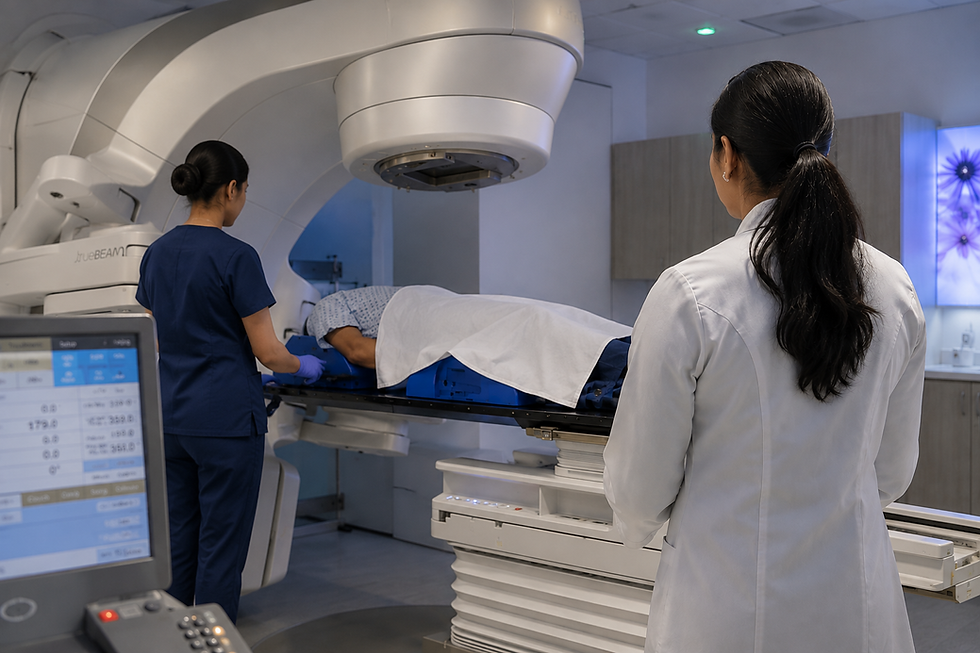

Understanding Your Concerns
It is completely natural to feel anxious when you notice changes in your body. While these symptoms can be caused by many non-cancerous conditions, understanding what to look for and when to seek advice is the first step toward peace of mind.
Most symptoms turn out to be minor health issues, but it is always better to have them professionally assessed. Early investigation often leads to simpler treatments and better outcomes, regardless of the diagnosis.
Our goal is to provide you with clear, clinical guidance so you can make informed decisions about your health in a calm and supportive environment.
A Supportive Reminder
Listening to your body is a sign of resilience, not weakness. Seeking answers is the most proactive thing you can do for your future health.
Symptoms That Shouldn’t Be Ignored
While many of these symptoms are often caused by less serious conditions, it is important to have them checked by a medical professional if they persist.
- Unexplained Weight Loss
- Persistent Fatigue
- Changes in Skin
- Persistent Cough
- Unusual Lumps
- Frequent Pain
- Changes in Appetite
- Night Sweats
- Difficult Swallowing
- Persistent Bloating
What Happens Next?
The diagnostic journey typically follows these essential steps to ensure you receive the right care and accurate answers.
1
Visit Your Doctor
Schedule an initial appointment with your GP to discuss any new or changing symptoms.
2
Medical Assessment
The doctor will perform a physical exam and review your full medical history.
3
Diagnostic Tests
Blood tests, imaging, or biopsies are ordered to investigate the cause of symptoms.
4
Referral if Needed
If cancer is suspected, you will be referred for specialist oncology consultation.
5
Consultation with an Oncologist
Dr. Nazreen Bhim will review findings and discuss personalized treatment options.

Blood Tests
Commonly used to check your general health and look for markers that may suggest cancer.

PET Scan
A highly sensitive scan used to show how your body tissues and organs are functioning.
Common Tests You May Encounter
Depending on your symptoms, your doctor may recommend one or more of these diagnostic tools to gain a clearer picture of your health.

Ultrasound
Uses high-frequency sound waves to create images of organs and structures inside the body.

Endoscopy
Uses a long, thin tube with a camera to look inside your body, such as your stomach or lungs.

CT Scan
Uses X-rays and a computer to create detailed 3D images of the inside of your body.

Biopsy
A small sample of cells is taken and examined under a microscope to confirm a diagnosis.

MRI
Uses strong magnetic fields and radio waves to produce detailed images of soft tissues.

Not Sure What to Do Next?
If you're worried you may have cancer, you don't have to figure out the healthcare system on your own.
At Dr. Nazreen Bhim's practice, we are happy to guide you through the next steps at no cost. We can help you understand which healthcare professional you should see first, what investigations may be required, and how the referral process usually works.
Whether you need to visit your family doctor, arrange diagnostic tests, or be referred to the appropriate specialist, our team will help point you in the right direction so you can move forward with confidence.
This guidance service is provided completely free of charge and is intended to help you access the right care as quickly as possible.
Take the Next Step Towards Peace of Mind
Whether you need a consultation, have a quick question, or require immediate advice, our team is here to support you with expert oncology care.